Dust is not passive. It is a complex accumulation of organic and inorganic matter — skin cells, fibres, pollen, spores — that persists across decades, outlasting the people and events it witnesses. This project asks: what would it mean to experience a building's history not through human memory or institutional record, but through the silent testimony of the microbes that survived it?
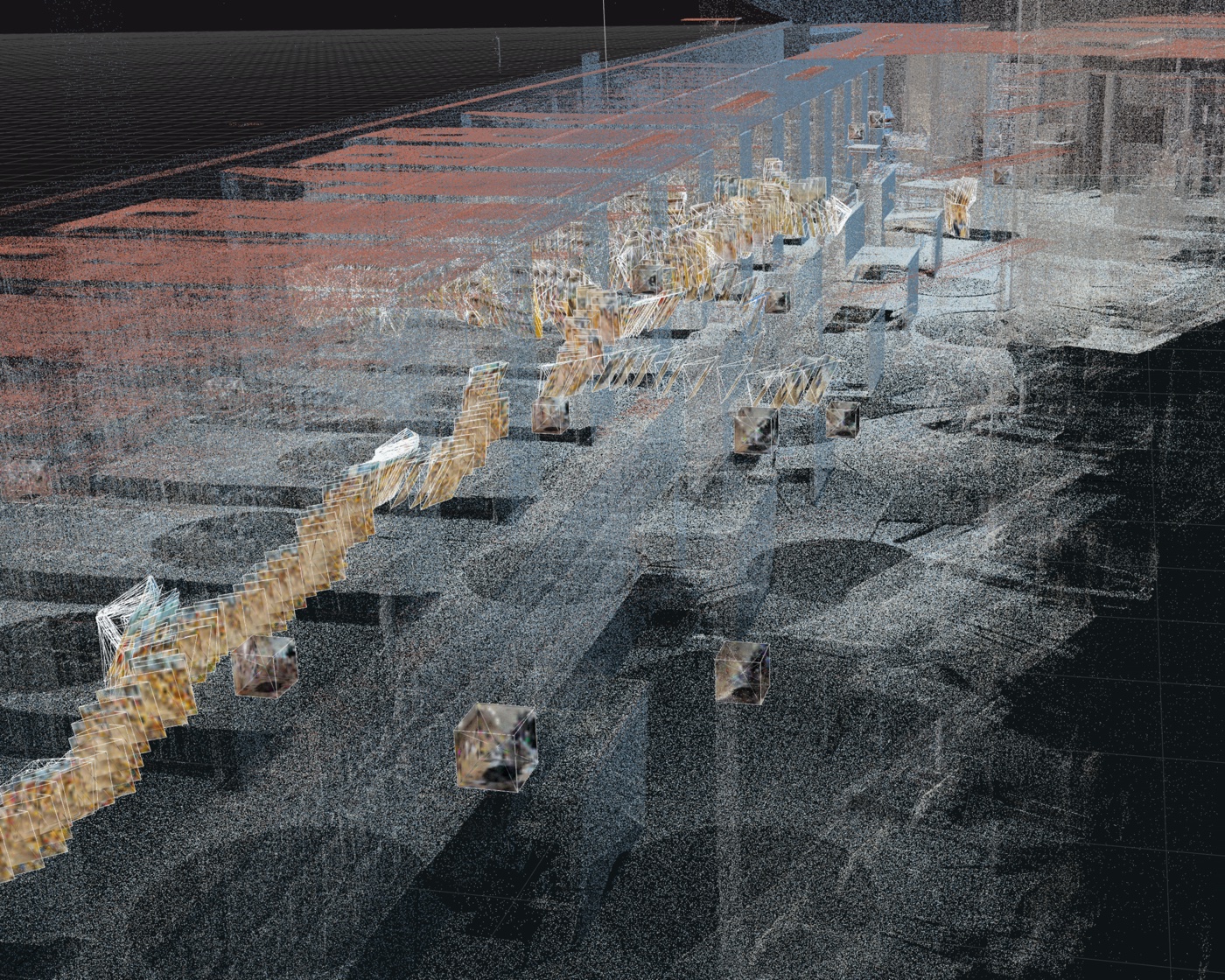
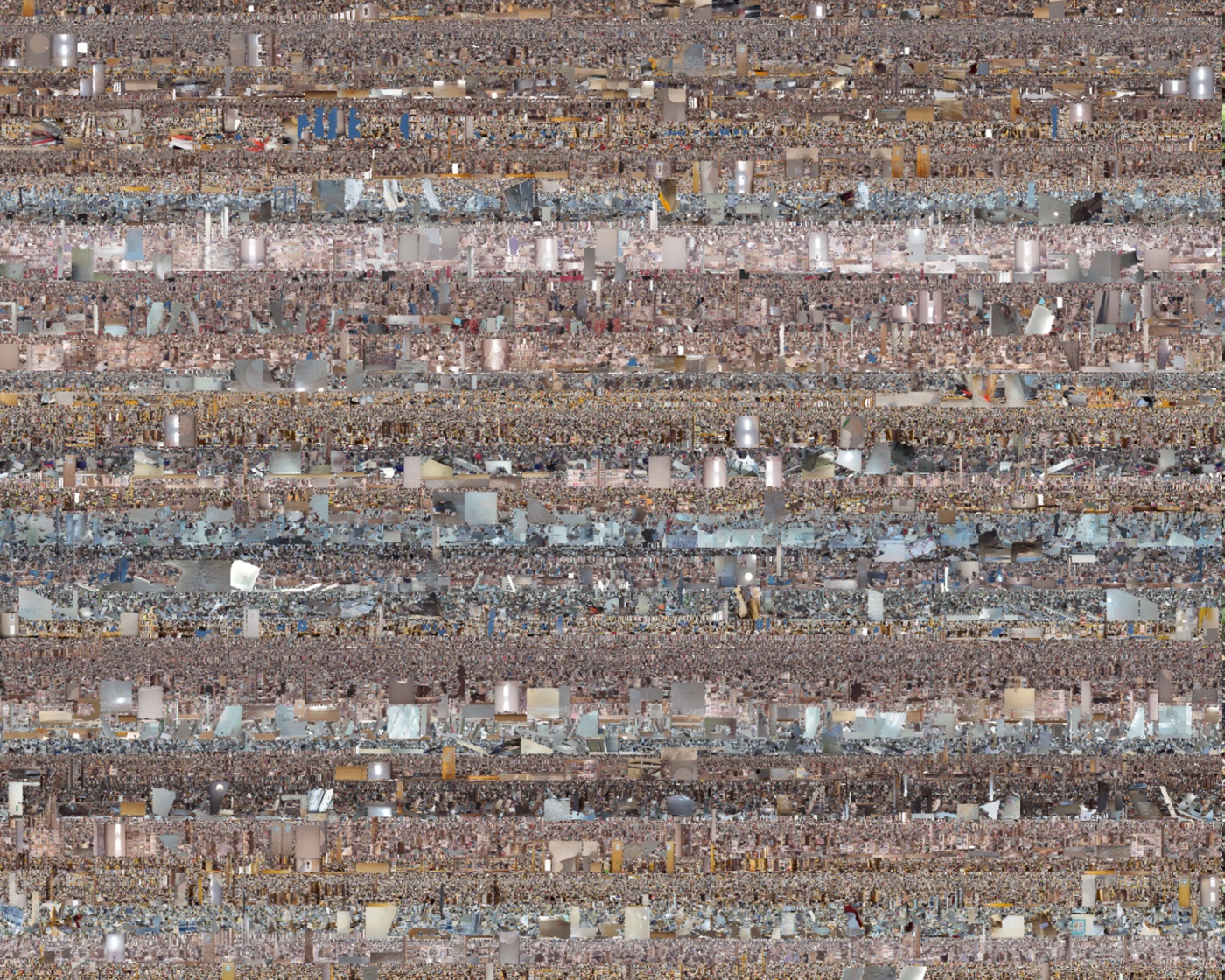
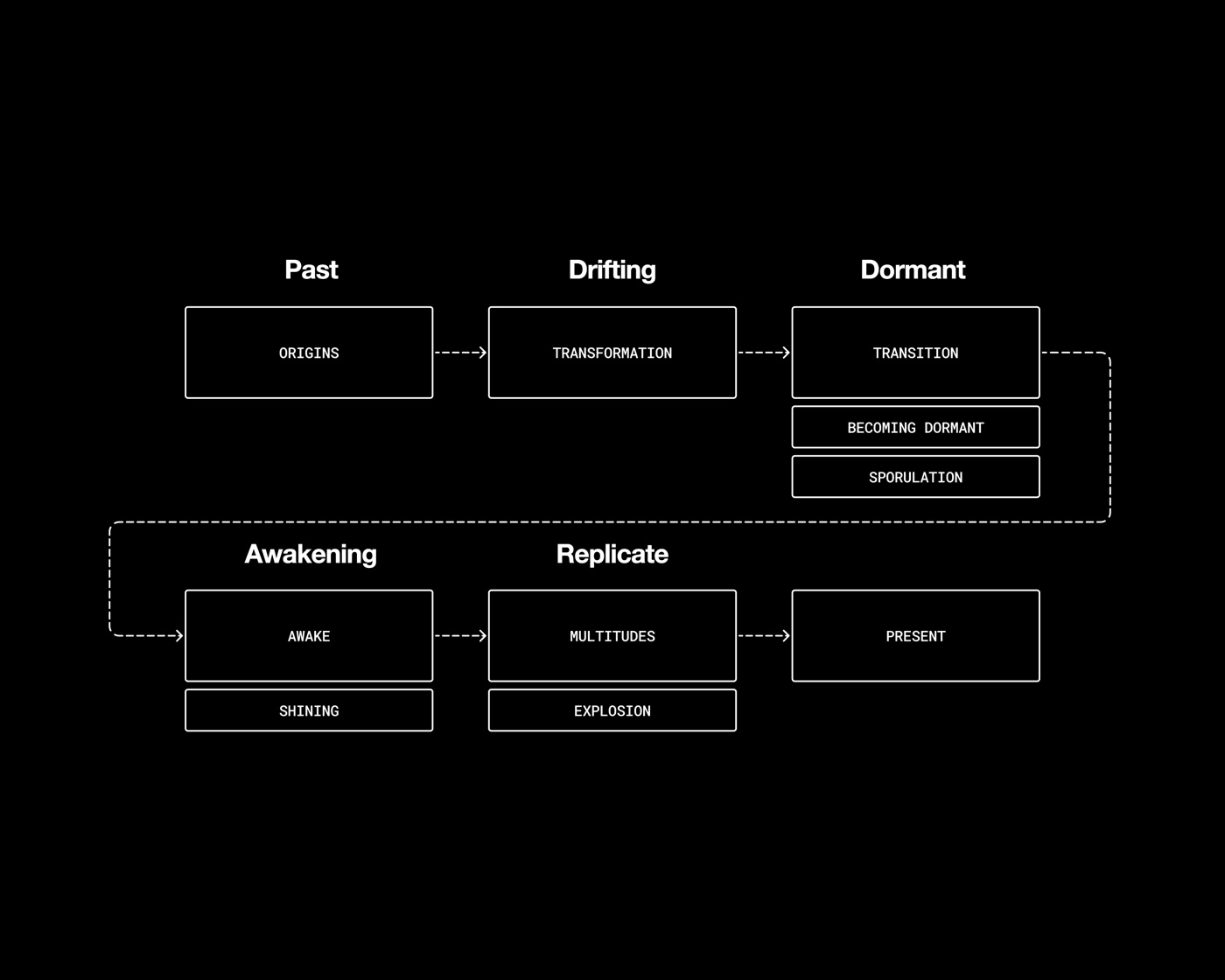
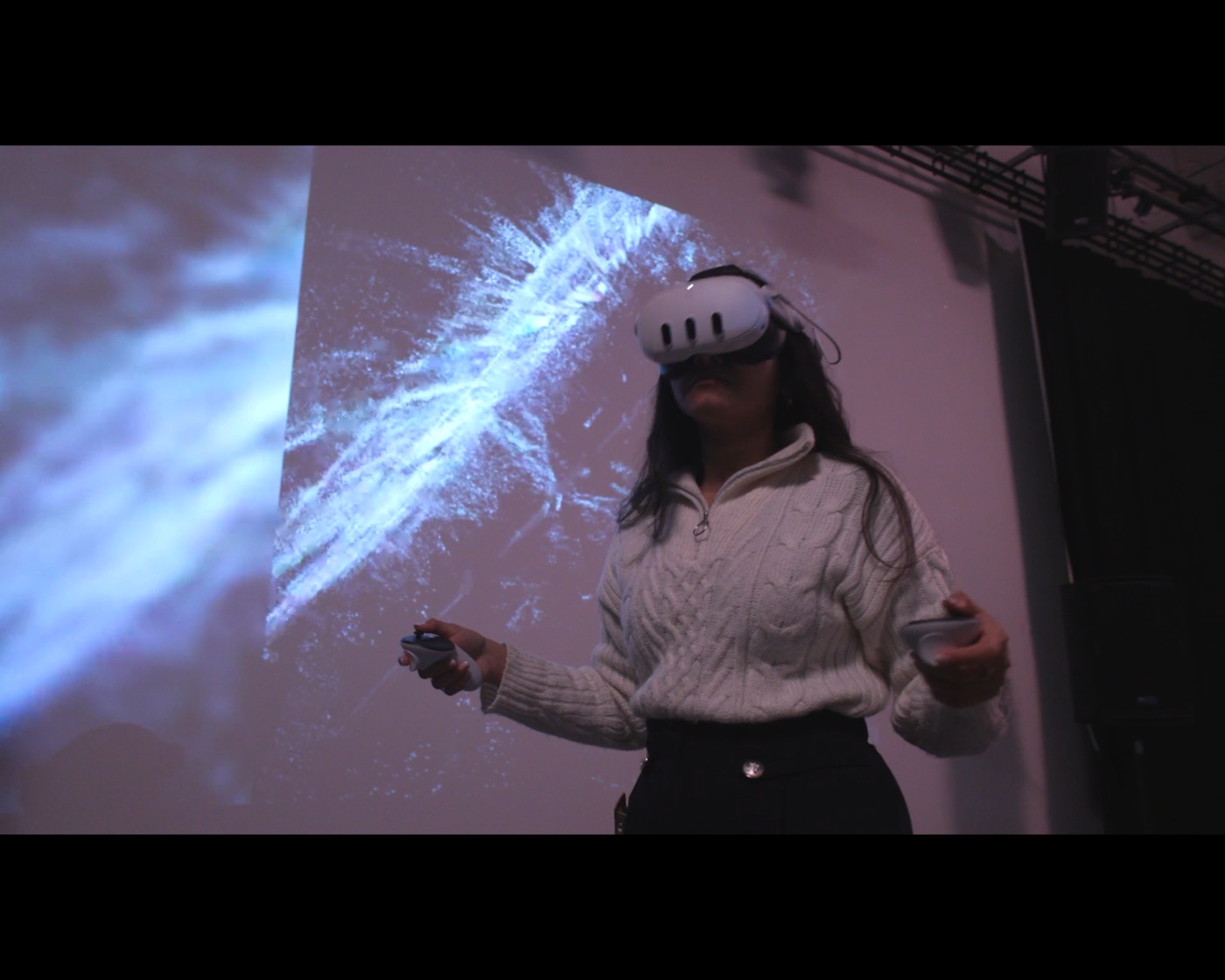
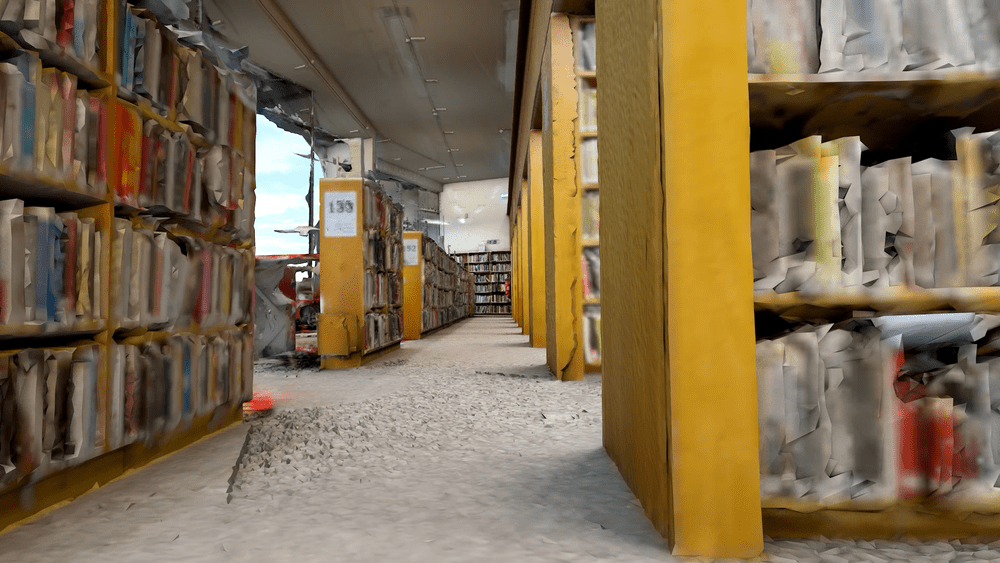
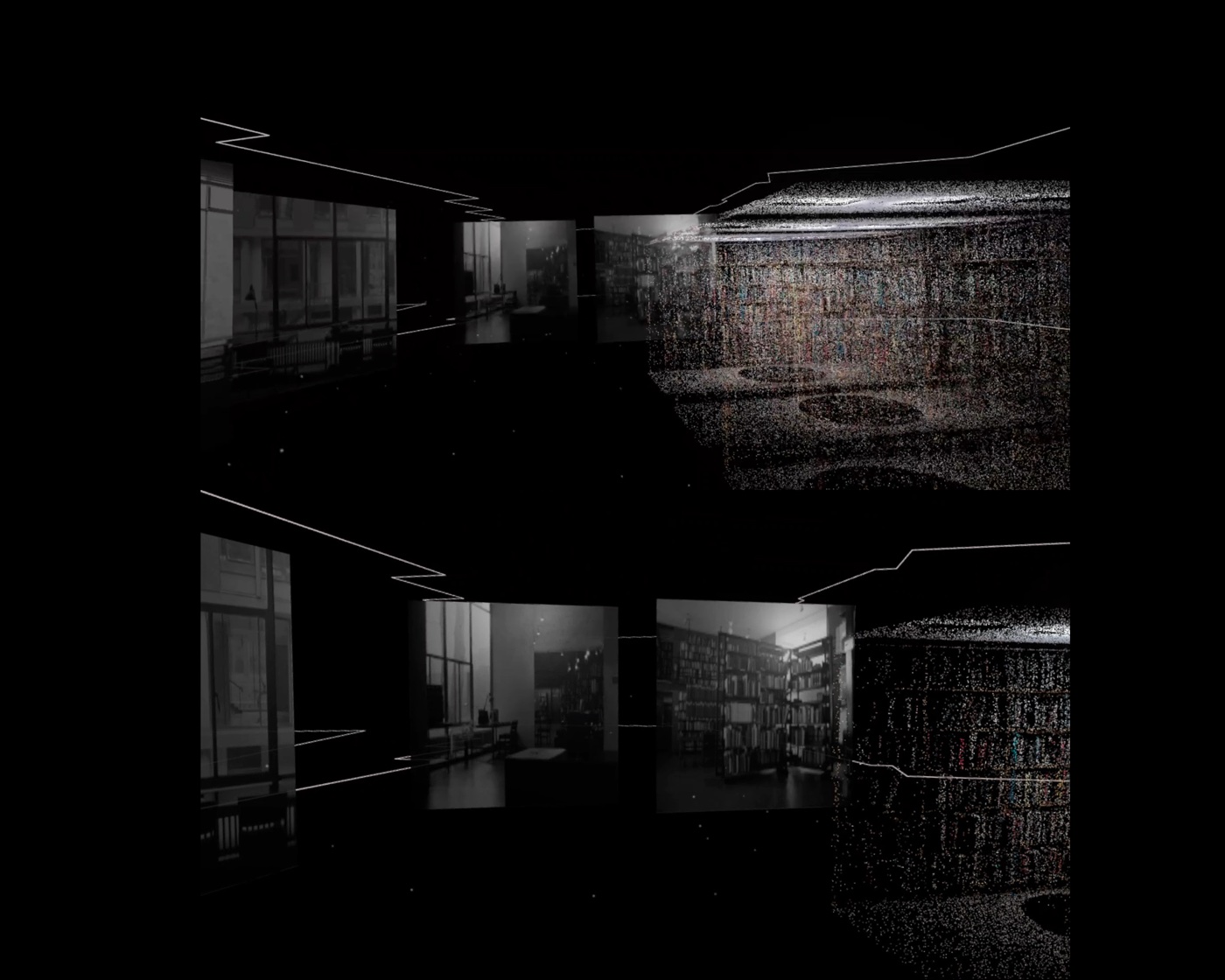
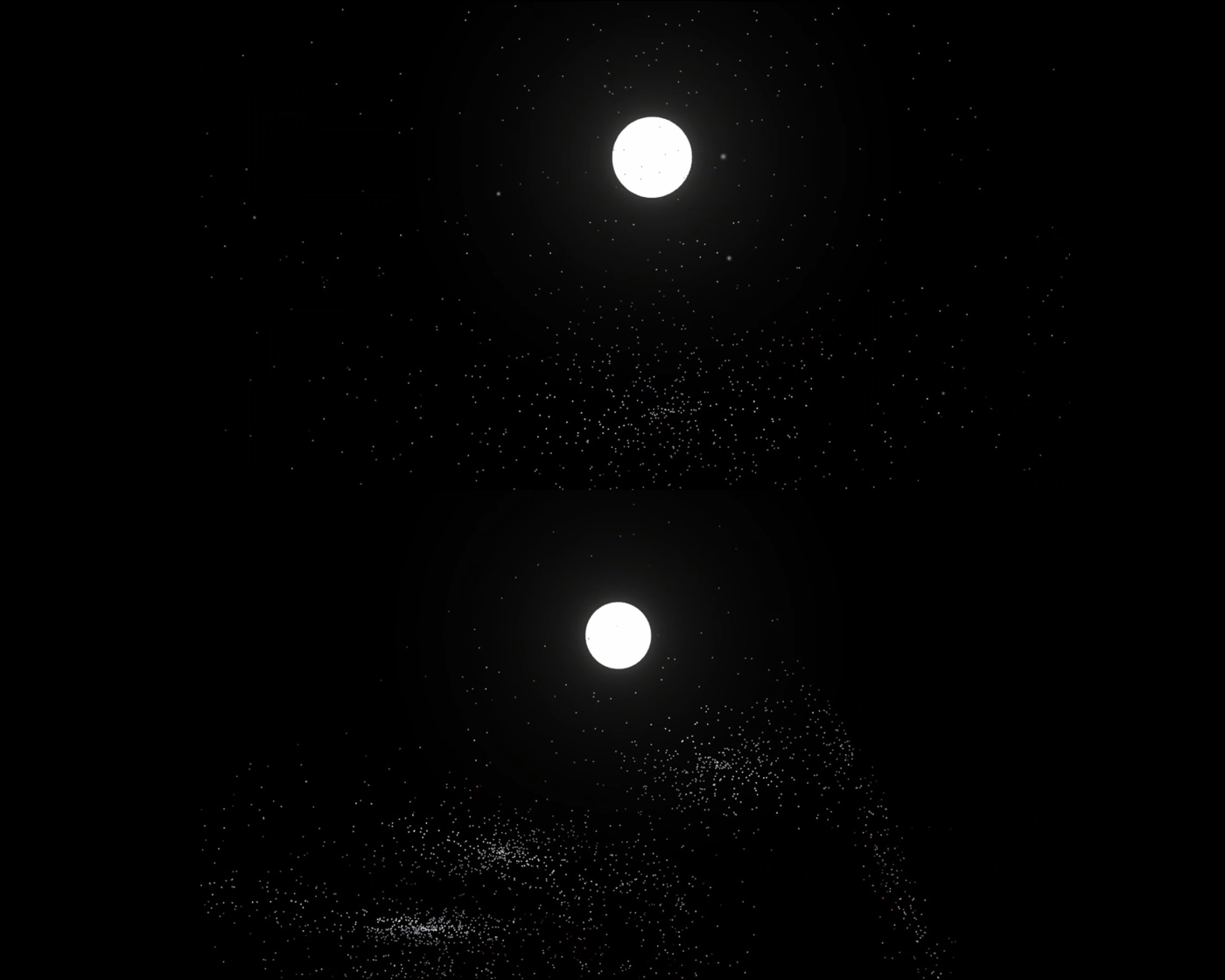
Set in the RCA Library, the work draws on archival photographs and film from the 1960s to construct four immersive scenes: a past animated by archival imagery; a dormant state in which participants take on the perspective of microbes in protective spore form; an awakening, 63 years on, into a transformed yet continuous space; and a present in which those same microbial lineages have lived through 45,990 generations. The human occupants have changed entirely. The dust remains.
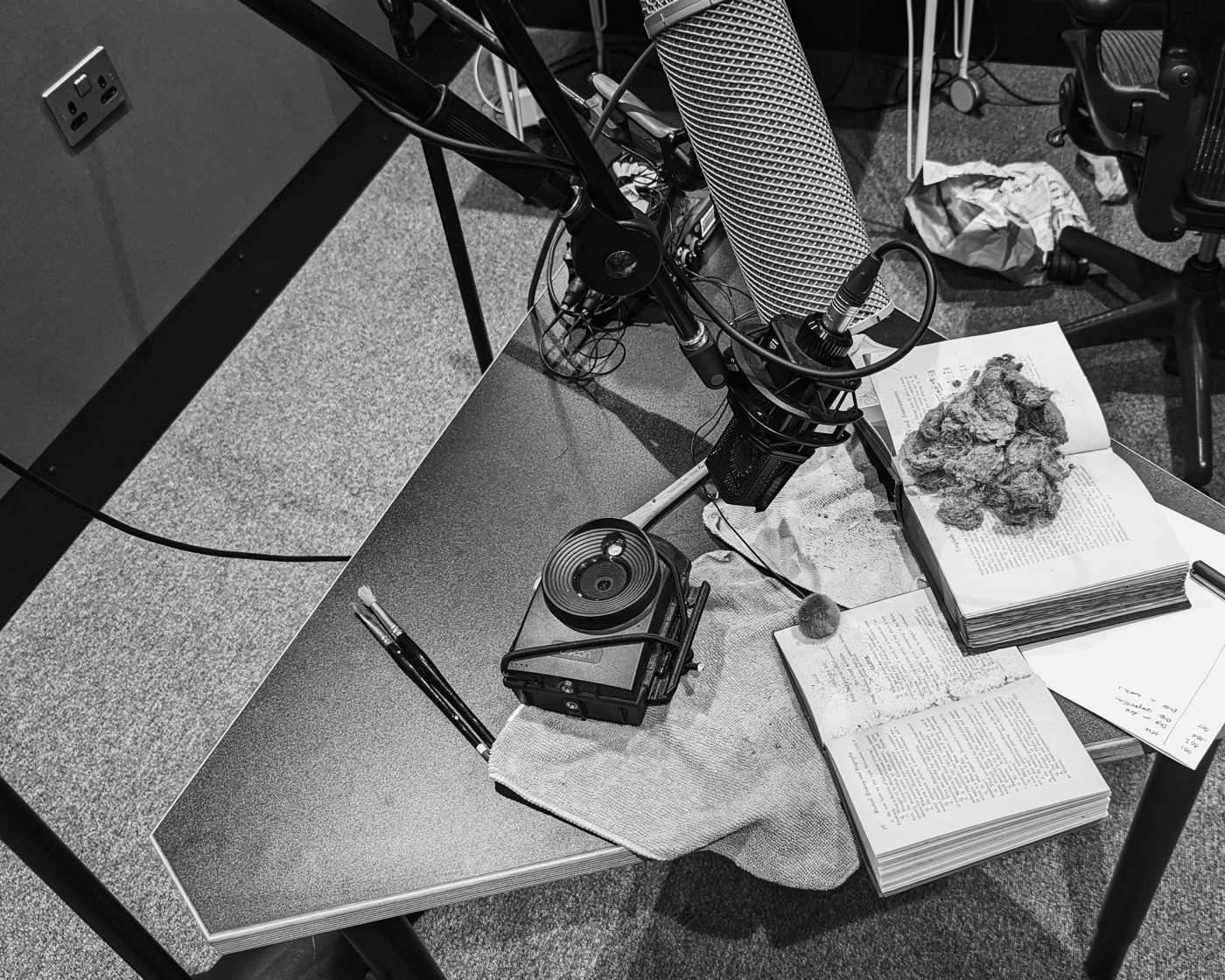
The sonic dimension is central. Collaborating composers translated microbial activity into sound — a sonic ecology drawn from processes normally beyond human perception, giving the invisible a voice and the archive a texture you can inhabit rather than observe.
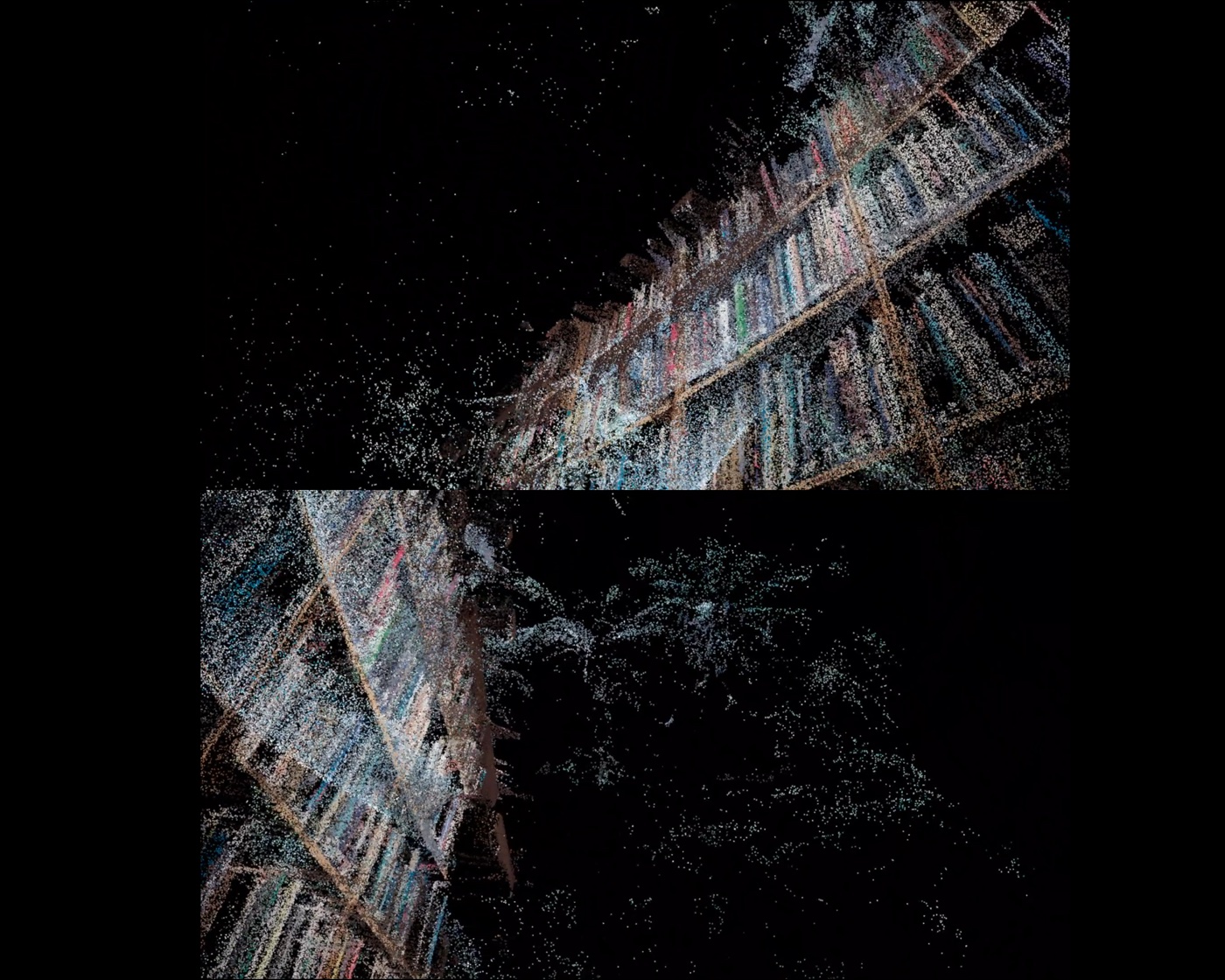
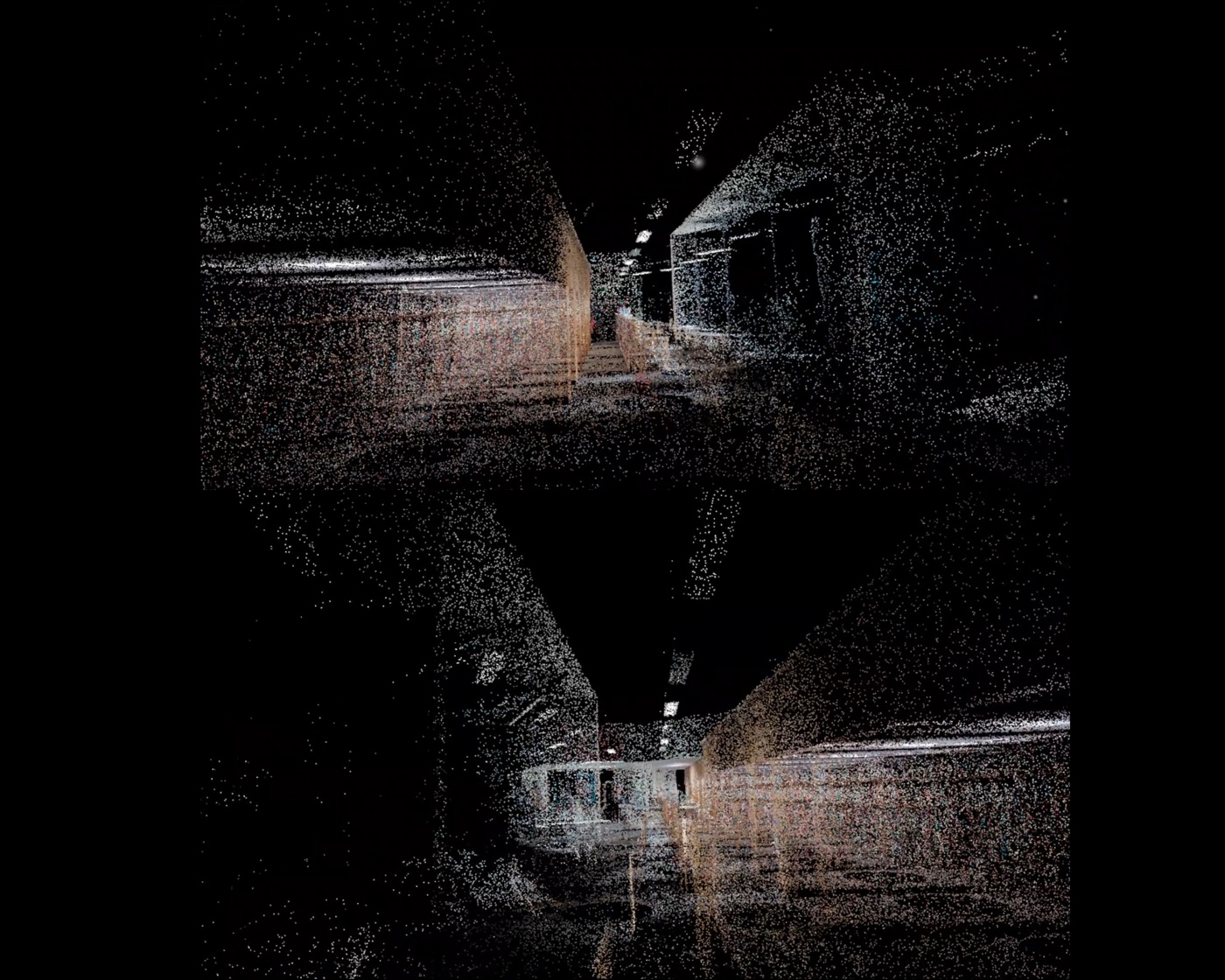
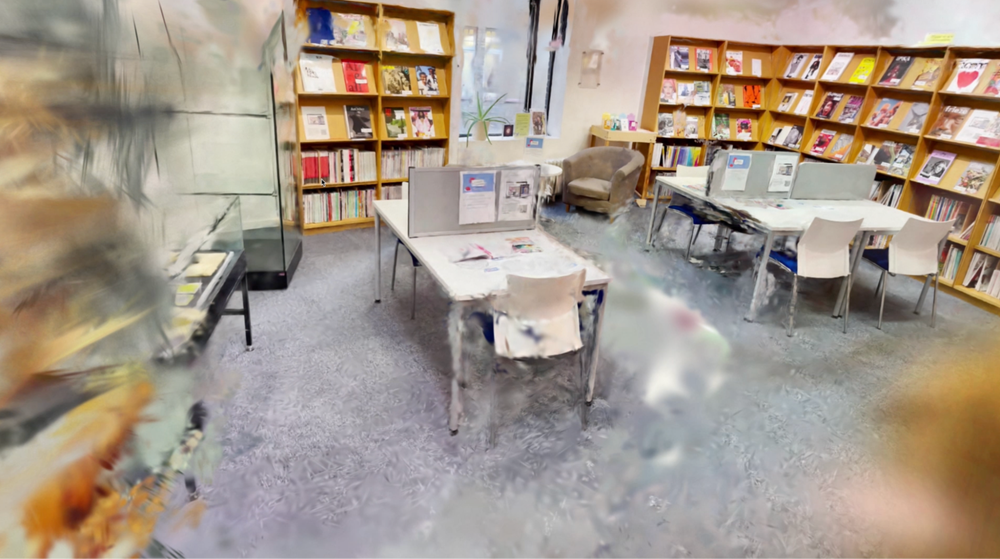
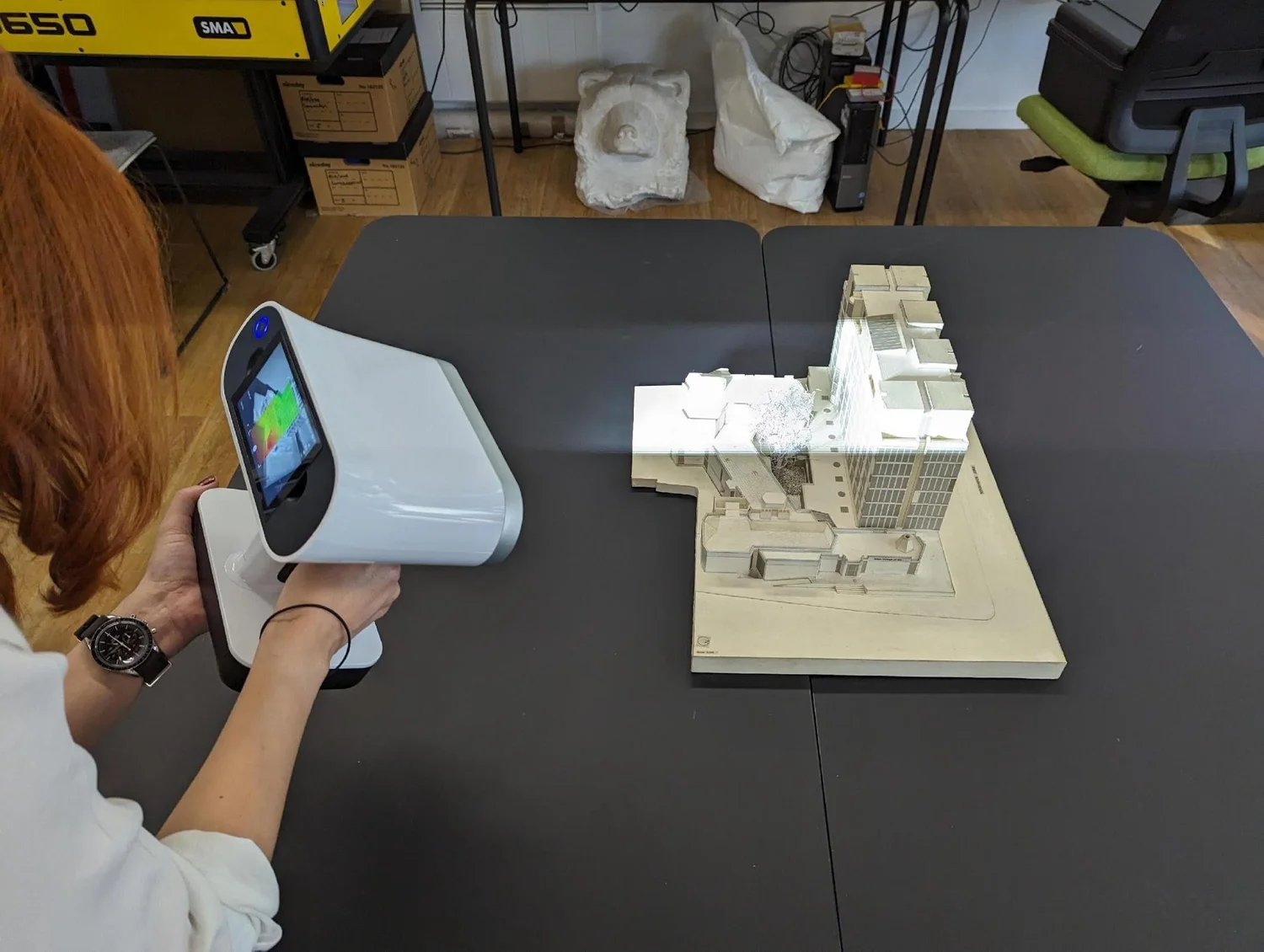
The project was developed in collaboration with the RCA Library team and Archives, with support from the College of Creative Arts at Massey University, New Zealand. It has been published across multiple peer-reviewed venues, including Materia Arquitectura and Research Directions: Biotechnology Design.
- Creative Director
- Dr Carolina Ramírez-Figueroa
- Technical Director
- Campbell Orme
- Conceptual Designer
- Dr Ant Nevin
- Composers & Sound Artists
- Laura Selby, Neil Crispin Aldridge
- Technical Consultant
- Luke Holland
- Pcx Resources (Unity)
- Keijiro Takahashi
- RCA Archives
- Neil Parkinson
- Sound Studio
- Brain Audio
- Institutional Support
- Royal College of Art Library, UK · College of Creative Arts, Massey University, NZ